Electric Cars for Driving Instructors: Are They Finally Worth It?
For years, electric vehicles (EVs) have been viewed as an interesting option for driving instructors, but not necessarily a practical one. Concerns around charging, vehicle range, lease costs and reliability meant many ADIs stuck with tried-and-tested petrol or hybrid models.
Today, however, the landscape looks very different.
With more learners opting for automatic lessons, charging infrastructure improving and manufacturers investing heavily in electric technology, many driving instructors are beginning to ask a serious question: is now the right time to make the switch?
The answer depends on your individual circumstances, but for many driving instructors, electric vehicles are becoming a genuinely viable and cost-effective option.
In this guide, we’ll explore the advantages, drawbacks and key considerations to help you decide whether an EV could be the right choice for your driving school business.
Why More Driving Instructors Are Looking at Electric Vehicles
The driving instructor market has changed significantly over the past few years.
Automatic lessons have become increasingly popular, particularly among younger learners. Many learner drivers simply want the quickest and most straightforward route to passing their test, and an automatic vehicle removes the challenge of clutch control and gear changes.
At the same time, electric vehicles are becoming a more common sight on UK roads. Many manufacturers are expanding their electric ranges, and learners are increasingly asking questions about EVs during lessons.
For driving instructors, this presents both an opportunity and a challenge.
While electric vehicles can offer lower running costs and a modern driving experience, they also require careful consideration around charging, daily mileage and lesson planning.
Lower Running Costs: One of the Biggest Advantages
When instructors first look at electric vehicles, the monthly lease cost often grabs their attention.
However, the smarter approach is to look at the total cost of operating the vehicle.
Fuel Savings Can Add Up Quickly
For many driving instructors, fuel is one of the largest business expenses.
An instructor covering 800 to 1,200 miles per week can easily spend a significant amount on petrol each month. Charging an electric vehicle at home is typically much cheaper than filling a petrol tank, particularly when using off-peak electricity tariffs.
While the exact savings will vary depending on mileage, local electricity rates and charging habits, many EV owners report noticeable reductions in their day-to-day running costs.
For instructors carrying out lessons six days a week, these savings can make a meaningful difference over the course of a year.
Fewer Maintenance Requirements
Electric vehicles have fewer moving parts than traditional petrol or diesel vehicles.
There is no clutch, no exhaust system, no engine oil and no timing belt to maintain.
This can lead to:
- Fewer garage visits
- Reduced servicing costs
- Less vehicle downtime
- Lower unexpected repair bills
For driving instructors, less time in the workshop means more time earning income.
Charging: The Question Every Driving Instructor Asks
Before considering an electric vehicle, most instructors want answers to one key question:
“Will charging fit around my working day?”
The good news is that for many instructors, it can.
Home Charging Makes Life Easier
If you have a driveway and can install a home charger, owning an EV becomes significantly more convenient.
Many instructors simply plug in their vehicle overnight and start each day with a full battery.
Benefits include:
- Charging while you sleep
- Lower electricity costs
- No regular visits to fuel stations
- Greater convenience throughout the week
For instructors who begin and end lessons close to home, this is often the ideal setup.
Public Charging Has Improved
The UK’s public charging network has expanded considerably in recent years.
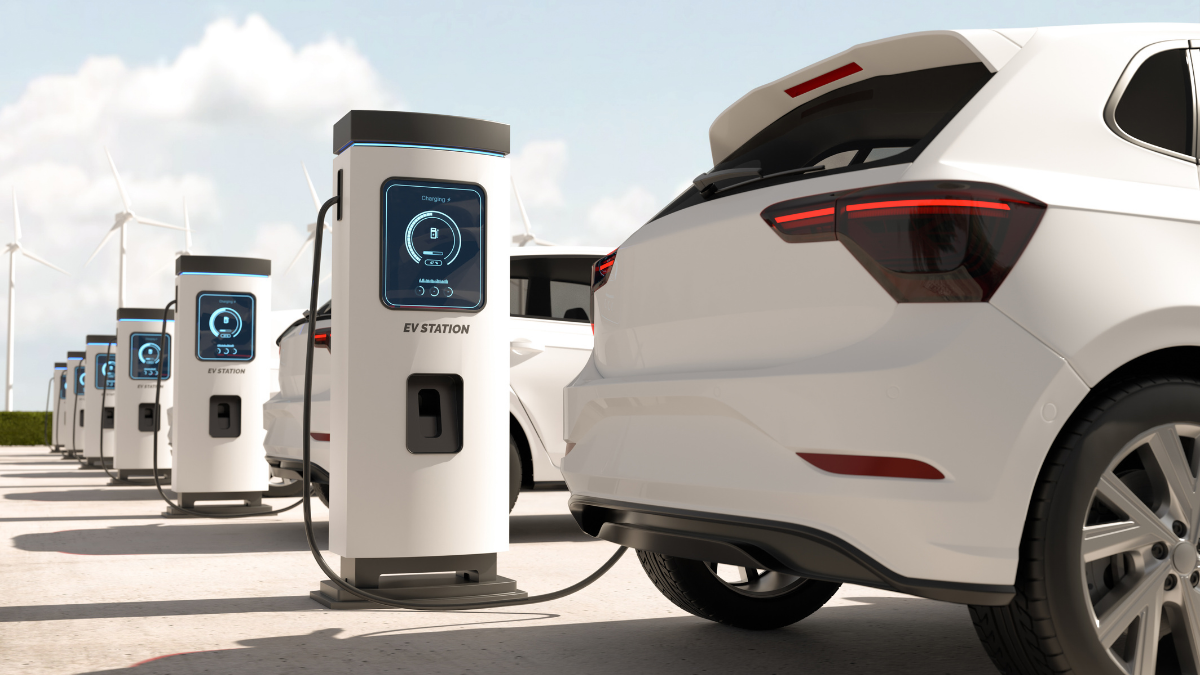
Rapid charging stations can often provide substantial battery replenishment during a lunch break or between lessons.
However, public charging is not without its drawbacks.
Potential challenges include:
- Higher charging costs than home charging
- Occasional queues at busy locations
- Variable charger availability
- Time spent planning charging stops
For this reason, instructors who rely entirely on public charging should carefully consider whether it fits their teaching schedule.
Is Range Anxiety Still a Problem?
Range anxiety remains one of the biggest concerns among instructors considering an electric vehicle.
In reality, modern EVs have come a long way.
Many current models offer capable real-world ranges that comfortably exceed the average daily mileage of many driving instructors.
Consider Your Typical Working Pattern
The suitability of an EV often comes down to your daily routine.
For example:
Instructor A
- 6 to 8 lessons per day
- Primarily urban driving
- 60 to 100 miles daily
- Home charging available
An electric vehicle could be an excellent fit.
Instructor B
- Covers a wide rural area
- Long distances between pupils
- Intensive driving courses
- 150+ miles per day
An EV may still work, but vehicle selection and charging strategy become much more important.
The key is to assess your genuine daily mileage rather than focusing solely on advertised range figures.
Are Electric Vehicles Suitable for Learner Drivers?
In many ways, electric vehicles can actually make learning to drive easier.
Advantages for Learners
Electric cars offer a smooth and straightforward driving experience.
Benefits include:
- No clutch pedal
- No stalling
- No gear changes
- Quiet cabin environment
- Smooth acceleration
Many instructors find that learners gain confidence more quickly without having to master clutch control during the early stages of learning.
This allows lessons to focus more heavily on observation, hazard perception and driving technique.
Improved Communication During Lessons
One often-overlooked benefit of EVs is how quiet they are.
Without engine noise, conversations between instructor and learner can be clearer, particularly when giving instructions or providing feedback.
Many instructors report that lessons feel calmer and less stressful as a result.
Potential Drawbacks for Instructors
While electric vehicles have many advantages, they’re not perfect.
A balanced assessment should also consider the limitations.
Automatic Licence Restrictions
One of the most important considerations is that electric vehicles are automatic.
Learners who pass their test in an automatic vehicle cannot automatically drive a manual vehicle.
Although automatic cars continue to grow in popularity, some pupils specifically want a manual licence and may therefore seek manual tuition elsewhere.
Higher Initial Lease Costs
Depending on the make and model, electric vehicle lease payments can sometimes be higher than equivalent petrol or hybrid alternatives.
However, this should always be weighed against potential savings from:
- Fuel
- Servicing
- Repairs
- General maintenance
A slightly higher monthly lease payment does not always mean a higher overall cost of ownership.
Charging Requires Planning
While most instructors adapt quickly, electric vehicles do require a degree of planning.
Unlike petrol vehicles, which can be refuelled in minutes, successful EV ownership requires consideration of:
- Daily mileage
- Charging opportunities
- Battery levels
- Weekend travel
For some instructors this becomes second nature. For others, it can feel like an unnecessary complication.
How Lease Costs Compare
One of the benefits of leasing is predictability.
Driving instructors know exactly what their monthly vehicle commitment will be, helping with budgeting and cashflow.
When comparing electric vehicles with petrol or hybrid alternatives, it is important to look beyond the headline lease figure.
Ask yourself:
- How much will I spend on fuel each month?
- What are my expected servicing costs?
- How long do I intend to keep the vehicle?
- How much downtime could maintenance create?
Many instructors find that when all operating costs are considered, the gap between EVs and conventional vehicles can be much smaller than expected.
Which Driving Instructors Are Best Suited to an EV?
Electric vehicles tend to work particularly well for instructors who:
✅ Primarily teach automatic lessons
✅ Have access to home charging
✅ Cover moderate daily mileage
✅ Want lower ongoing running costs
✅ Prefer a modern, technology-focused vehicle
✅ Are looking to future-proof their business
On the other hand, instructors who regularly cover very high mileages, operate in remote rural areas or teach exclusively manual lessons may find that a hybrid or petrol vehicle currently offers greater flexibility.
Final Verdict: Are Electric Cars Finally Worth It?
A few years ago, many driving instructors would have dismissed electric vehicles as impractical.
Today, the conversation is very different.
Improved vehicle range, growing charging infrastructure, reduced maintenance requirements and increasing learner demand for automatic lessons have made EVs a serious consideration for many instructors.
That doesn’t mean electric vehicles are the perfect solution for everyone.
However, if you have access to home charging, teach automatic pupils and are looking to reduce running costs over the long term, an electric vehicle could be one of the smartest business investments you make.
The key is to focus on the bigger picture.
Rather than simply comparing monthly lease payments, consider fuel savings, maintenance costs, vehicle downtime and the future direction of the driving industry.
For a growing number of driving instructors, the numbers are starting to make sense.
Thinking About Leasing an Electric Dual Control Vehicle?
At DualDrive, we help driving instructors find dual control vehicles that suit their business, budget and teaching style. Whether you’re considering your first electric vehicle or comparing it against hybrid and petrol alternatives, our team can help you explore the options and make an informed decision.