Making the Switch – Should You Move from Manual to Automatic as a Driving Instructor?
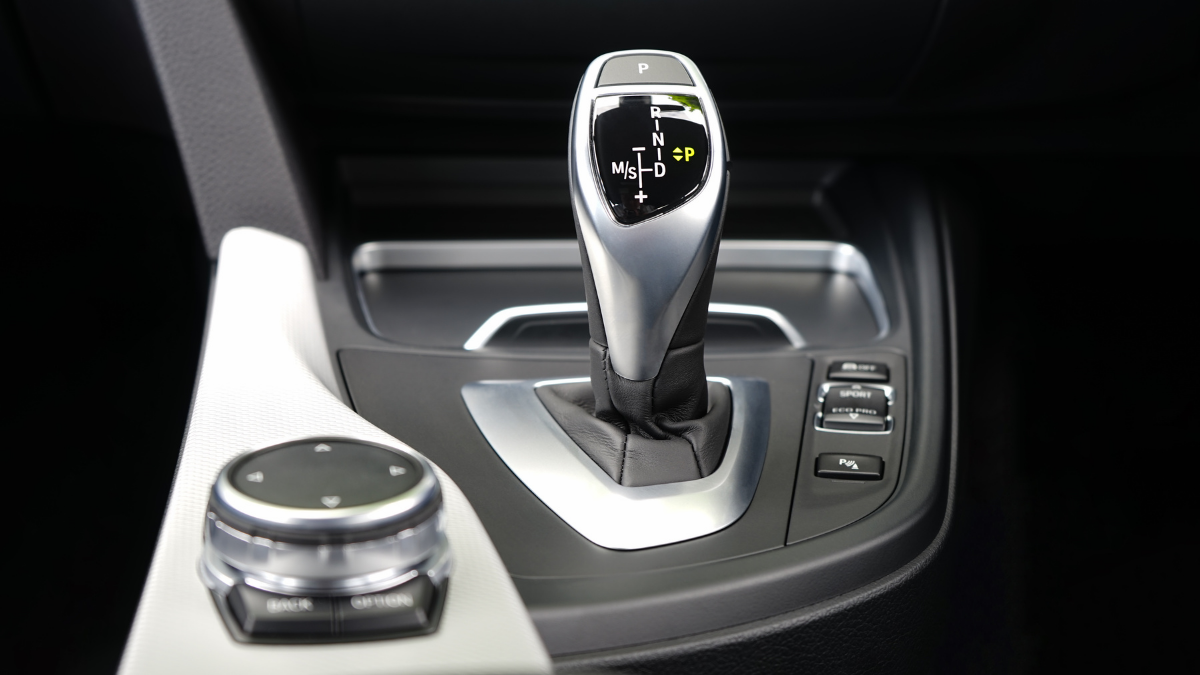
The automatic revolution is here, but is it right for your business?
If you’ve been teaching in a manual car for years, the idea of switching to automatic might feel like a big leap. But with automatic driving tests now accounting for nearly 30% of all tests taken, more instructors than ever are considering making the move.
Whether you’re thinking about going fully automatic or adding an auto to your fleet, here’s everything you need to know about making the switch.
The Rise of Automatic
Let’s start with the numbers. Automatic test passes have been climbing steadily year on year, and the trend shows no sign of slowing down.
Why? A few reasons:
- Modern cars are increasingly automatic – many manufacturers are phasing out manual gearboxes entirely
- Electric vehicles are automatic by default – and the 2035 petrol/diesel ban is on the horizon
- Pupils want faster progress – without the clutch to master, many learners feel they can focus on the road sooner
- Accessibility – automatics open up driving to those who struggle with the physical demands of a manual gearbox
For instructors, this shift represents both a challenge and an opportunity.
The Pros of Switching to Automatic
1. Tap into a growing market
The demand for automatic lessons is outpacing supply in many areas. If you’re one of the few local instructors offering auto lessons, you could find yourself with a full diary and a waiting list.
It’s simple economics – less competition, more enquiries.
2. Faster pupil progress
Without the clutch control learning curve, many pupils progress more quickly in an automatic. Fewer stalls, less frustration, and more time spent on hazard perception, positioning, and all the other skills that actually matter on test day.
This can mean:
- Fewer hours to test readiness
- Happier pupils
- More word-of-mouth referrals
- Quicker turnover (if that suits your business model)
3. Less wear and tear on your car
Clutches aren’t cheap. If you’ve ever winced watching a pupil ride the biting point up a hill for the tenth time, you’ll appreciate this one.
Automatic gearboxes, when looked after, tend to require less frequent maintenance related to learner driving. No clutch burn, no gear grinding – just smooth driving.
4. Easier on you physically
Let’s be honest – after thousands of hours in a dual control car, the constant clutch work takes its toll. Many instructors who’ve made the switch report less fatigue at the end of a long day, particularly those with knee or hip issues.
If you’re planning to instruct for many more years, looking after your body matters.
5. Future-proofing your business
With electric vehicles becoming the norm and most EVs being automatic, getting comfortable teaching in an auto now could set you up nicely for the future. When the time comes to switch to electric, you’ll already have the experience.
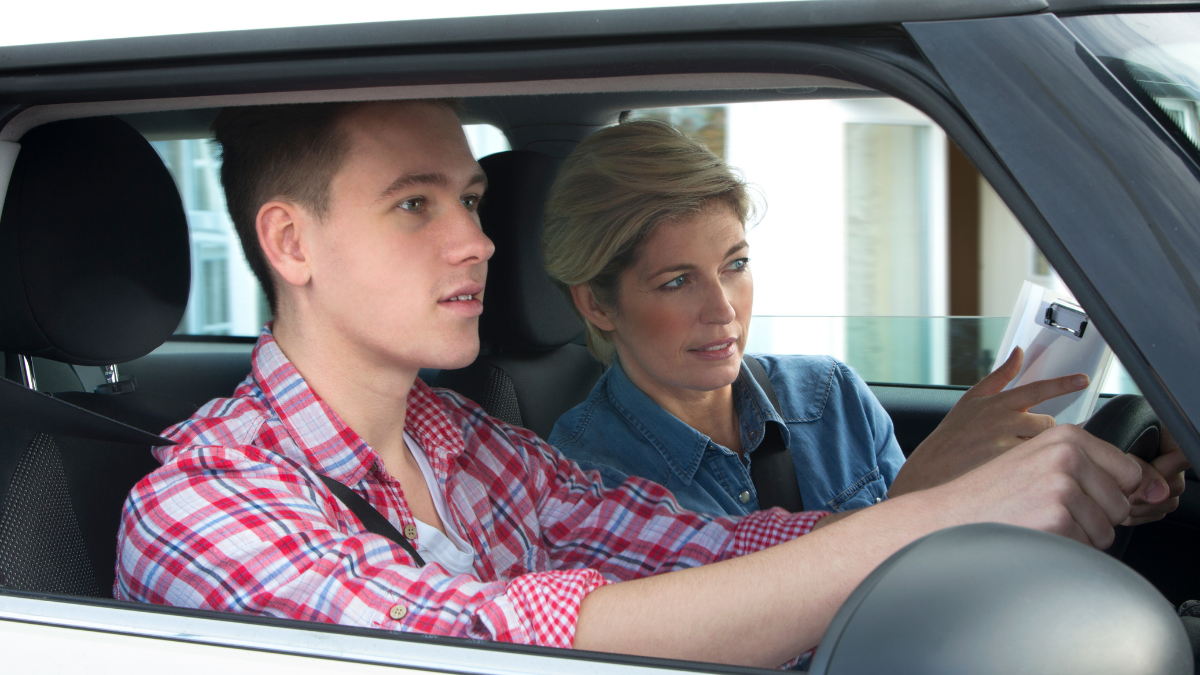
The Cons of Switching to Automatic
1. You might lose some pupils
There’s no getting around it – a manual licence is still more versatile. Some pupils (or their parents) will insist on manual lessons because they want the option to drive any car.
If you go fully automatic, you’ll need to accept that a portion of the market won’t consider you. Whether that matters depends on local demand and competition.
2. Starting from scratch with some skills
Teaching clutch control is an art you’ve perfected over the years. Switching to auto means adapting your lesson plans, explanations, and fault analysis.
Of course, you’ll still be teaching the same core skills – observation, planning, positioning, speed management – but the way you introduce and explain certain concepts will need to change.
3. The perception problem
Despite the rise in automatic tests, some people still view automatic licences as “easier” or “lesser.” This attitude is outdated (the test is identical apart from the gearbox), but you might encounter pupils who need convincing that an automatic licence is a perfectly valid choice.
4. Resale and flexibility concerns
If you own your vehicle, automatics have historically had slightly different resale values depending on the model. And if you ever wanted to switch back to manual or run both, you’d need to factor in the cost of a second vehicle.
That said, with lease options available, many instructors avoid the ownership headaches entirely.
5. Your own driving habits
If you’ve driven manual your whole life, there’s an adjustment period. It’s not difficult, but you might find yourself hovering your left foot over a clutch that isn’t there, or reaching for a gear stick unnecessarily.
Give yourself time to adapt before you start teaching – you want to be fully comfortable and confident.
Questions to Ask Yourself
Before making the switch, consider:
What’s the demand like in your area?
Check local instructor listings and Facebook groups. Are automatic instructors thin on the ground? Are people asking for auto lessons and struggling to find availability?
What’s your current pupil mix?
If you’re already turning away auto enquiries, the demand is clearly there. If most of your pupils specifically want manual, the switch might reduce your potential customer base.
How long do you plan to keep instructing?
If you’re in this for the long haul, the physical benefits and future-proofing arguments become more compelling.
What’s your financial situation?
Switching vehicles has costs involved – whether you’re buying, financing, or leasing. Make sure the numbers work for your business.
Could you run both?
Some instructors offer both manual and automatic lessons, either with two vehicles or by gradually transitioning their existing pupils before making the full switch.
Making the Transition
If you decide to go for it, here are some tips:
Take your time adapting
Spend proper time driving your new automatic before you take pupils out. Get comfortable with the creep, the brake feel, and the different rhythm of driving.
Update your marketing
Make sure your website, social media, and any directory listings clearly state you offer automatic lessons. Use it as a selling point – you might be surprised how many enquiries mention automatic as a specific requirement.
Prepare your explanations
Think about how you’ll explain concepts like speed control on approach, hill starts, and manoeuvring without referencing the clutch. Practice your patter before you need it.
Talk to other auto instructors
Connect with instructors who’ve already made the switch. Most are happy to share their experiences, tips, and any pitfalls to avoid.
Consider your vehicle options carefully
Look for a car with good visibility, responsive controls, and a comfortable driving position for long days. Think about dual control fitting options and make sure the model you choose works for training purposes.
The Bottom Line
There’s no universally “right” answer here. Switching to automatic isn’t for everyone, and manual instruction certainly isn’t going away overnight.
But the market is shifting. If you’ve been thinking about making the move, there’s never been a better time to explore your options.
Whether it’s testing the waters with an automatic lease or gradually transitioning your business, the key is making an informed decision that works for you, your pupils, and your future.
Thinking about leasing an automatic dual control car?
At Dualdrive, we offer flexible lease packages on a range of automatic vehicles, with maintenance, tyres, and breakdown cover included. Whether you’re making the switch or adding an auto to your fleet, we can help you get on the road with minimal hassle.
Explore our packages or get in touch to discuss your options.