Petrol, Diesel, or Electric Dual Control Car?
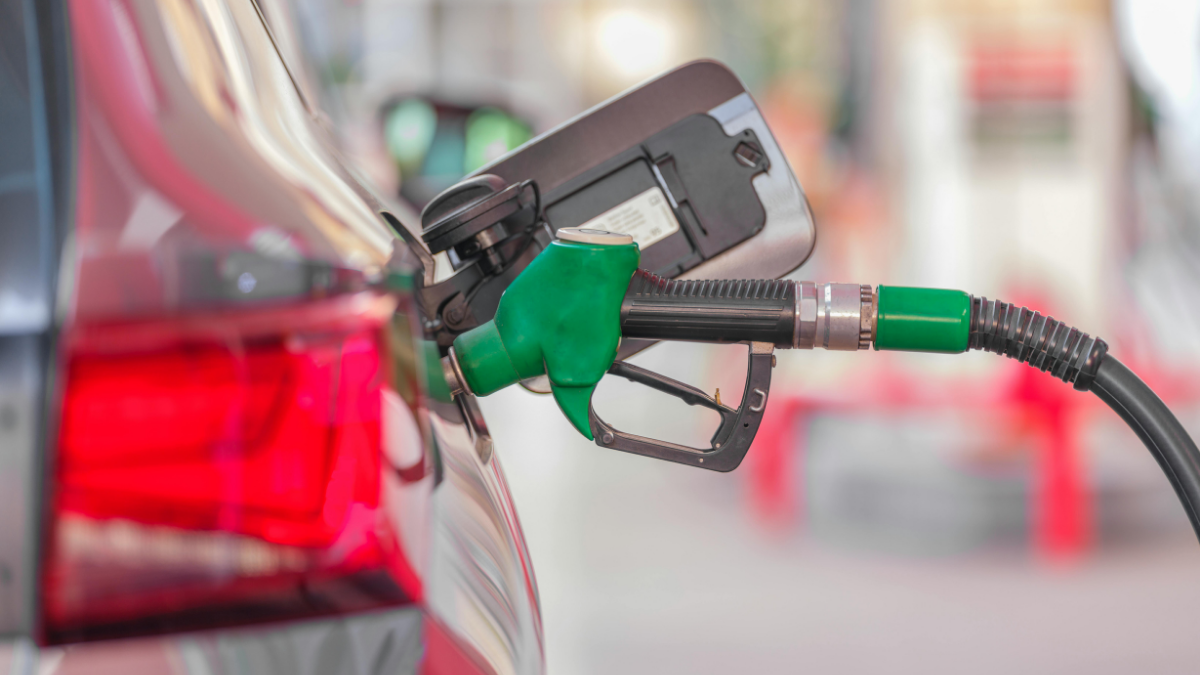
Choosing the right car is one of the most important decisions for driving instructors. It’s not just about finding a reliable dual control vehicle, it’s also about picking the fuel type that suits your needs, budget, and teaching priorities. Should you stick with petrol, consider diesel, or make the leap to electric? Here’s what instructors need to know when it comes to balancing running costs, long-term savings, and environmental impact.
Why the Choice of Fuel Type Matters
From running costs to how learners feel behind the wheel, the type of fuel you use can impact every aspect of your driving lessons. Petrol and diesel have been tried-and-tested options for decades, but with major changes in regulations and technology, electric vehicles (EVs) are quickly growing in popularity. Your decision should take into account:
- Daily Costs: Fuel economy and how much time you spend refuelling or charging.
- Teaching Style: The driving experience your car provides, especially for beginners.
- Future Proofing: With bans on new petrol and diesel cars looming in 2030, electric options are becoming a key consideration.
Let’s break down the pros and cons of each fuel type to help you make an informed choice.
Petrol Dual Control Cars: Reliable and Accessible
Petrol-powered vehicles are the standard choice for many instructors and driving schools. They’re widely available, easy to refuel, and familiar to most learners.
Advantages:
- Lower upfront costs: Petrol cars are typically less expensive to lease than diesel or electric alternatives.
- Simple refuelling: Petrol is widely available, with almost no delays at stations.
- Familiarity: Many driving instructors and learners are experienced with petrol engines, making them a safe, predictable option.
Disadvantages:
- Higher running costs: Petrol prices are subject to fluctuation, and rising fuel rates can cut into your profits.
- Environmental impact: Petrol cars produce higher carbon emissions compared to other options.

Diesel Dual Control Cars: Efficiency Over Time
Diesel vehicles are known for their fuel efficiency and durability, making them ideal for instructors who cover long distances.
Advantages:
- Fuel economy: Diesel engines often offer more miles per gallon, reducing fuel expenses for high-mileage instructors.
- Durability: Diesel engines are built to last, which can reduce repair costs over the life of the car.
Disadvantages:
- Upfront costs: Compared to petrol cars, diesel models tend to be pricier to lease or buy.
- Pollution concerns: Diesel cars emit more harmful particles, which has led to increasing restrictions and popularity decline.
If your lesson routes involve long drives or rural areas, diesel may still be worth considering—for now.
Electric Dual Control Cars: The Sustainable Choice
Electric vehicles are rapidly becoming the go-to option for driving instructors who want to future-proof their fleets and meet learner expectations for eco-friendly driving.
Advantages:
- Lower running costs: Charging an EV is significantly cheaper than refuelling with petrol or diesel. Some instructors save hundreds per year by making the switch.
- Reduced maintenance: Electric cars have fewer moving parts, meaning less risk of mechanical issues and lower maintenance costs.
- Zero emissions: With growing focus on sustainability, EVs appeal more to eco-conscious learners and align with government regulations.
Disadvantages:
- Upfront expense: Leasing or purchasing EVs often involves higher costs initially, though prices are falling as the market grows.
- Charging time: While petrol cars refuel in minutes, EVs can take hours. Fast-charging stations ease this concern but aren’t widely available everywhere.
- Range Anxiety: Depending on the model, battery range might not suit instructors teaching in remote areas.
Key Considerations for Driving Instructors
When choosing a car for your lessons, weigh the following factors carefully:
Lesson Type:
- Teaching in towns and cities? Electric cars excel in urban environments, with quieter engines and lower operating costs.
- Covering longer routes or rural areas? Diesel options may still offer benefits for instructors clocking high mileage.
Future Regulations:
The UK government’s plan to phase out new petrol and diesel cars in 2030 makes electric vehicles a safer long-term investment.
Budget:
Compare running costs including fuel, maintenance, and leasing prices. Electric cars often pay off in the long run despite higher upfront fees.
Learner Attraction:
Eco-conscious learners are increasingly drawn to instructors offering lessons in EVs. By choosing a sustainable option, you might boost your bookings too.
Leasing Dual Control Cars for Maximum Flexibility
Leasing is the most flexible way to upgrade your vehicle whenever regulations or technology change. Dualdrive offers a wide range of dual control cars tailored for instructors at competitive prices—and we take care of the maintenance, so you can focus on teaching. Whether you need a petrol, diesel, or electric car, our contracts are built around you.
Choosing the right dual control car depends on balancing cost, convenience, and future readiness. Whether you stick to petrol, try diesel for efficiency, or embrace electric motoring, leasing offers the flexibility to adapt as your needs evolve. At Dualdrive, we’re proud to offer transparent pricing, newer models, and robust support for any driving instructor.
Ready to upgrade your car today?
Explore Dualdrive’s leasing options and find the perfect dual control car for your lessons.
And if you enjoyed this blog, you may also enjoy –
Top 10 Most Frequently Asked Questions about Dual Control Cars
A Driving Instructors Checklist for Leasing a Dual Control Car